
The Elder Scrolls: Shadowkey Receives a Fan-Made 4K PC Overhaul
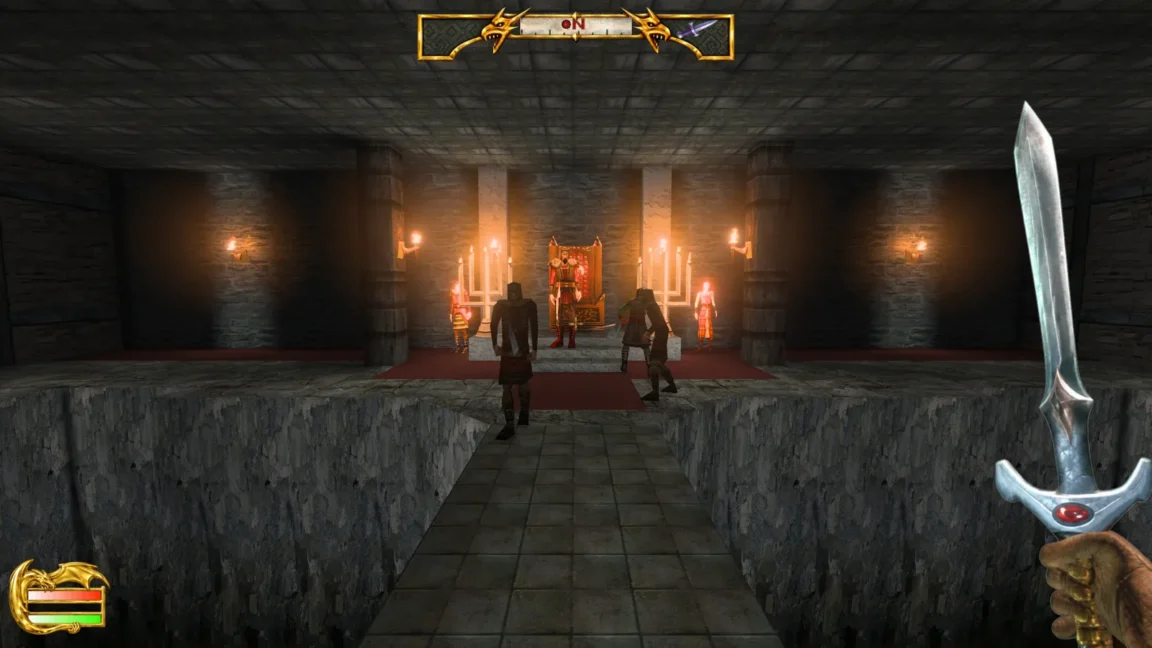
The Elder Scrolls series is widely celebrated for its expansive open-world RPGs, but one of its most obscure entries, ‘The Elder Scrolls Travels: Shadowkey’, has long been relegated to the history books. Originally released exclusively for the Nokia N-Gage handheld device in 2004, the game was largely forgotten by the mainstream gaming community due to its limited platform availability and dated hardware constraints. However, a dedicated group of fans and modders has recently breathed new life into this forgotten chapter, delivering a comprehensive 4K PC makeover that modernizes the experience for a new generation.
The restoration project utilizes advanced AI-assisted tools to upscale textures and enhance visual fidelity, effectively transforming a low-resolution mobile title into something that feels right at home on modern displays. Beyond mere graphical improvements, the project introduces a suite of new features designed to improve gameplay stability and accessibility. These include modernized control schemes, widescreen support, and performance optimizations that resolve the stuttering and technical hurdles that plagued the original N-Gage release. By porting the game to PC, the developers have ensured that Shadowkey is no longer trapped on obsolete hardware.
Shadowkey holds a unique place in the franchise’s lore, serving as a spin-off that experimented with multiplayer functionality and portable dungeon crawling. While it never reached the heights of ‘Morrowind’ or ‘Oblivion’, its revival is a testament to the passion of the Elder Scrolls community. This project does not just serve as a curiosity for collectors; it provides a functional and playable version of a game that was previously nearly impossible to experience legally or comfortably. As fans continue to refine the port, it serves as a reminder of how community-driven efforts can preserve gaming history that might otherwise be lost to time.
Sources: Ars Technica