
Slate Auto Embraces Analog Navigation with Screenless GPS
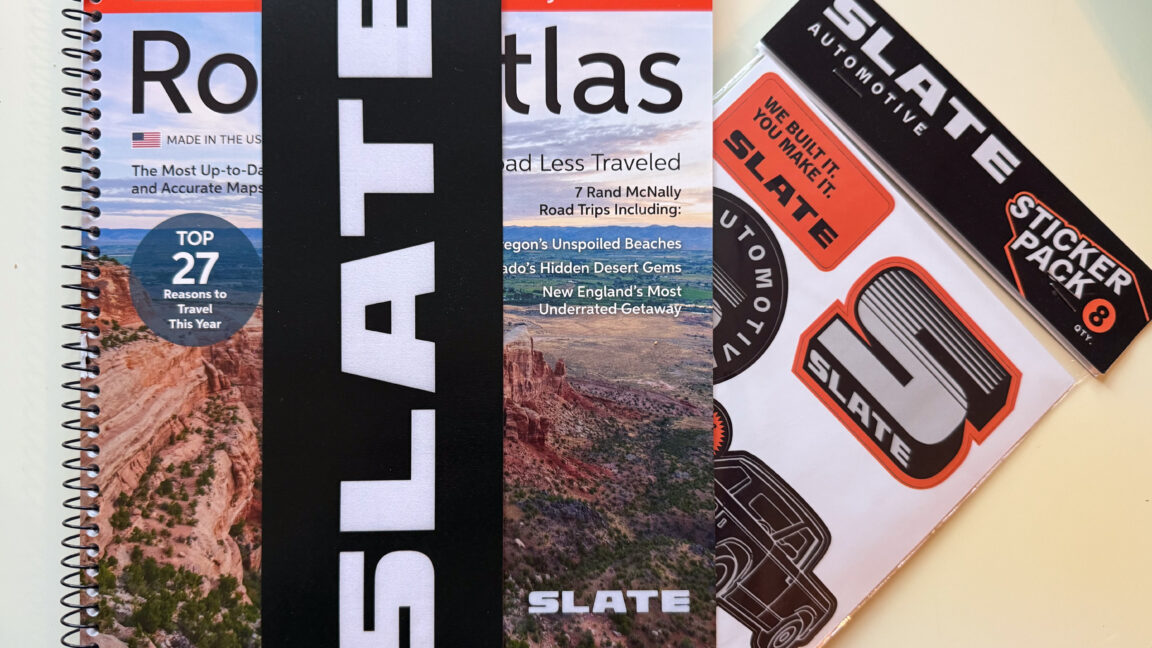
In an era dominated by high-definition touchscreens and complex digital dashboards, Slate Auto is taking a counter-intuitive approach to vehicle navigation. The company is championing a ‘screenless’ philosophy, encouraging drivers to return to the simplicity of physical road atlases. This move is particularly targeted at owners of bare-bones, utilitarian vehicles, such as two-door pickups, where the focus is on the driving experience rather than digital distractions.
The concept of a spiral-bound map might seem archaic to a generation raised on real-time traffic updates and turn-by-turn voice navigation, but Slate Auto argues that there is a unique value in analog tools. By removing the screen, the company aims to reduce cognitive load and help drivers reconnect with the road. The ‘screenless’ trend is part of a broader movement toward digital minimalism, where consumers are increasingly looking for ways to disconnect from the constant barrage of notifications and data.
Critics of the approach point out the obvious benefits of modern GPS systems, such as avoiding traffic jams and finding the most efficient routes. However, Slate Auto suggests that for the specific demographic of their vehicles—often used for off-roading or simple, back-to-basics transport—the reliability of a physical map is unmatched. There are no software updates to install, no battery to drain, and no signal loss in remote areas. It is a return to a time when navigation was a skill to be learned rather than a service to be consumed.
Whether this trend will catch on beyond a niche market remains to be seen. However, the move highlights a growing fatigue with the ’tech-ification’ of the automotive industry. As cars become increasingly like smartphones on wheels, there is a small but vocal group of enthusiasts who prefer the tactile, distraction-free environment of a simpler machine. Slate Auto’s embrace of the road atlas is a bold statement that sometimes, the best technology is no technology at all.
Sources: Ars Technica