Satellite Firms Turn to Rocket Manufacturing Amid Launch Market Constraints
The satellite industry is currently facing a period of intense pressure, characterized by limited launch capacity and rising costs. In an unexpected development, several satellite companies have begun pivoting their business models to include the development of their own launch vehicles. This strategic shift highlights the severity of the current launch market, where the ability to deploy assets into orbit has become a critical bottleneck for growth.
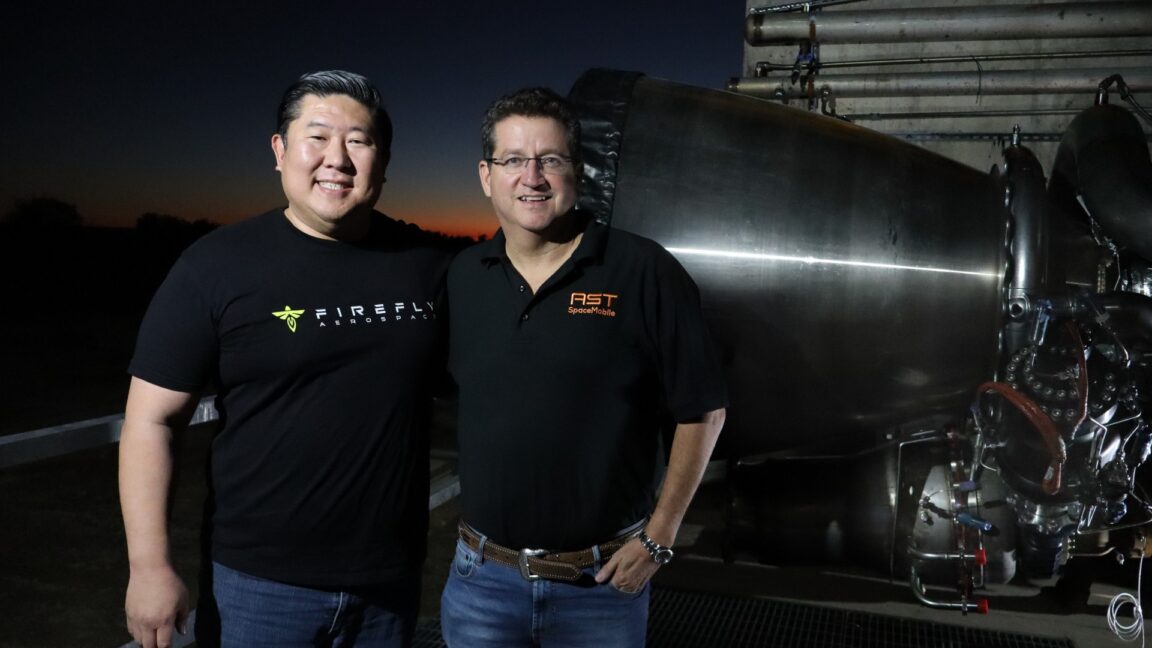
One notable example is the development of the Blacklift rocket, a project designed to serve as a springboard for companies looking to bypass traditional launch providers. By vertically integrating rocket manufacturing into their operations, these firms aim to secure a more reliable and cost-effective path to space. This move is seen as a necessary evolution to significantly expand their total addressable market, as reliance on third-party launch services has become increasingly unpredictable.
Industry experts note that the decision to build rockets is not without risk. Developing launch technology requires substantial capital, specialized engineering talent, and rigorous regulatory compliance. However, for companies whose core business depends on a constellation of satellites, the long-term benefits of controlling their own launch schedule outweigh the initial investment. This trend reflects a broader shift toward autonomy in the aerospace sector, where companies are seeking to insulate themselves from the volatility of the commercial launch market.
As more satellite operators explore this path, the competitive landscape of the space industry is likely to change. The emergence of ‘captive’ launch capabilities could lead to a more fragmented market, but it also promises to accelerate the deployment of next-generation satellite networks. Whether this strategy will prove sustainable for smaller players remains to be seen, but it is clear that the current constraints of the launch market are forcing innovation in ways that were previously unimaginable.
Sources: Ars Technica
Aggregated summary. Original: Ars Technica