Review: The 2026 iPad Mini Pushes Boundaries of Portability
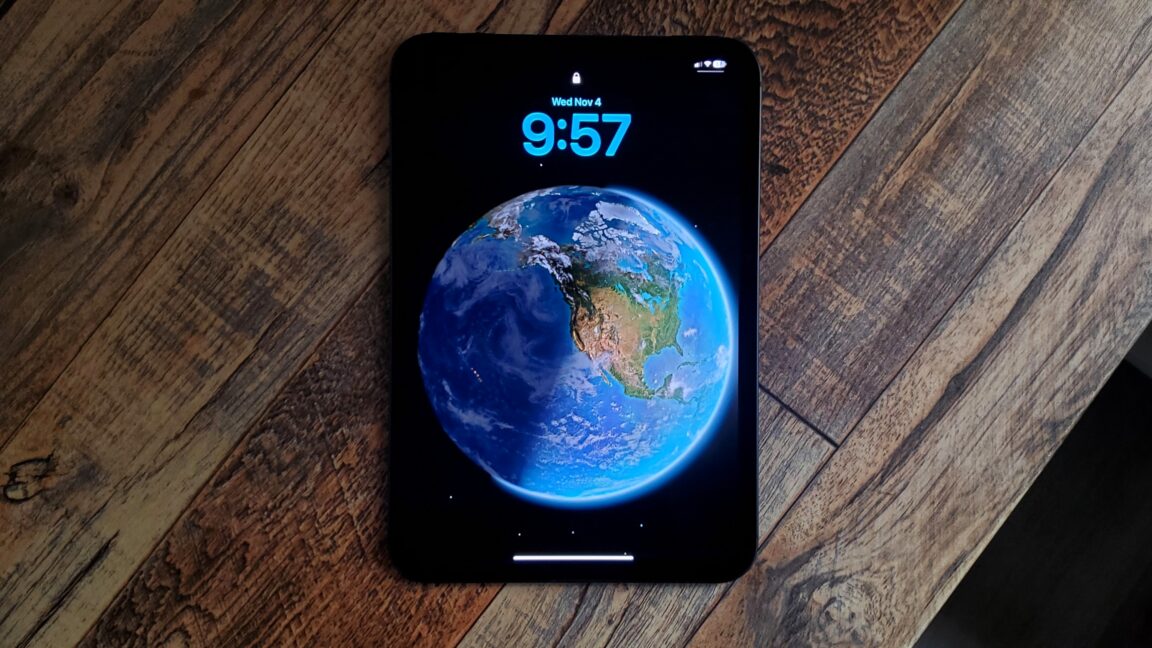
The 2026 iteration of the iPad mini has arrived, and it presents a compelling case for those who value extreme portability without sacrificing performance. In a market increasingly dominated by larger tablets and foldable devices, Apple’s smallest tablet continues to carve out a unique niche. This latest model is more capable than its predecessors, featuring upgraded internals that handle multitasking and creative applications with ease. However, these improvements come at a cost, as the 2026 version is notably more expensive than previous generations, forcing potential buyers to weigh the benefits of the form factor against the premium price tag.
Design-wise, the 2026 iPad mini retains the sleek, modern aesthetic that users have come to expect, but with refined internals that significantly boost its utility. The display remains a highlight, offering vibrant colors and sharp resolution that make it an excellent tool for reading, note-taking, and media consumption on the go. The integration of the latest chipset ensures that the device remains future-proof, capable of supporting demanding software updates and new features for years to come. Despite these advancements, the price hike is a point of contention, as it pushes the device into a category where it competes directly with larger, more versatile tablets.
Ultimately, the 2026 iPad mini is a device for a specific type of user: the professional or enthusiast who needs a high-performance computer that can fit into a jacket pocket. While it is arguably the most compelling ‘mini’ tablet Apple has ever produced, the value proposition is heavily dependent on the user’s need for such a compact machine. For those who prioritize screen real estate, the price might be hard to justify, but for those who value the unique blend of power and portability, the 2026 iPad mini stands alone in the market. It is a refinement of a classic concept, proving that there is still a place for small-format computing in an era of ever-growing screens.
Sources: Ars Technica
Aggregated summary. Original: Ars Technica