
Polestar Unveils Formula 2030 Concept: A Glimpse into the Future of Design
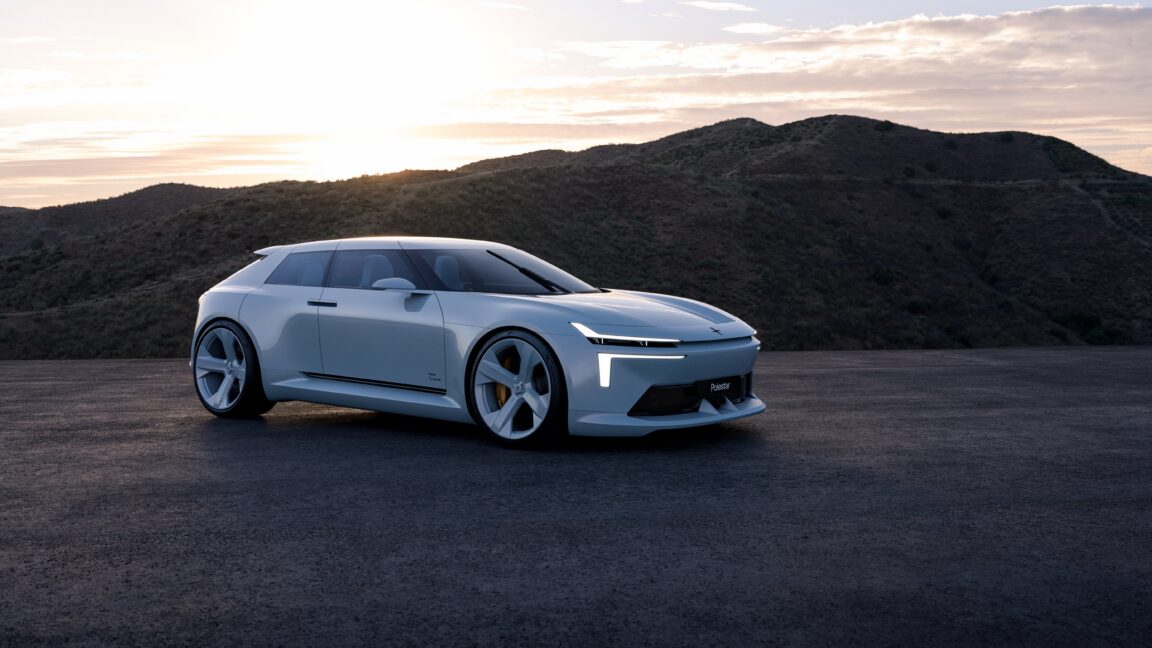
Polestar has officially pulled the curtain back on its latest design study, the Formula 2030 concept, signaling a bold new direction for the brand’s aesthetic language. While the vehicle’s silhouette bears a striking resemblance to the classic Saab Aero-X, the front-end design is distinctly modern, serving as a direct preview of the styling cues expected in the upcoming Polestar 2.
The Formula 2030 concept is more than just a visual exercise; it represents Polestar’s commitment to blending performance-oriented design with sustainable innovation. The sleek, aerodynamic lines are intended to optimize efficiency, a core pillar of the company’s electric vehicle strategy. By drawing inspiration from iconic automotive shapes while pushing the boundaries of contemporary design, Polestar is positioning itself as a leader in the premium electric segment.
Designers at Polestar have emphasized that the nose of the concept car is the most significant element, as it defines the ‘face’ of the brand for the next generation of vehicles. The integration of sharp lighting signatures and minimalist surfacing reflects a move toward a more refined, high-tech look. This evolution in design is expected to resonate with consumers who value both form and function, as the company prepares to expand its lineup.
As the automotive industry shifts toward electrification, design has become a critical differentiator. Polestar’s ability to create a recognizable and desirable brand identity through concepts like the Formula 2030 is key to its long-term success. While the concept itself may not hit the production line in its current form, its influence on the next Polestar 2 will be unmistakable. Enthusiasts and critics alike are eager to see how these design elements translate into a mass-market vehicle, marking a new chapter for the Swedish-Chinese manufacturer.
Sources: Ars Technica