Nintendo's Major ROM Chip Supplier Steps Back, Raising Concerns Over Physical Game Costs
The physical video game market may soon encounter new economic hurdles as foundational hardware suppliers adjust their manufacturing priorities. Recent reports reveal that Nintendo’s largest ROM chip supplier is phasing out its traditional operations in that sector, shifting its institutional focus toward more lucrative enterprise and AI-focused technologies.
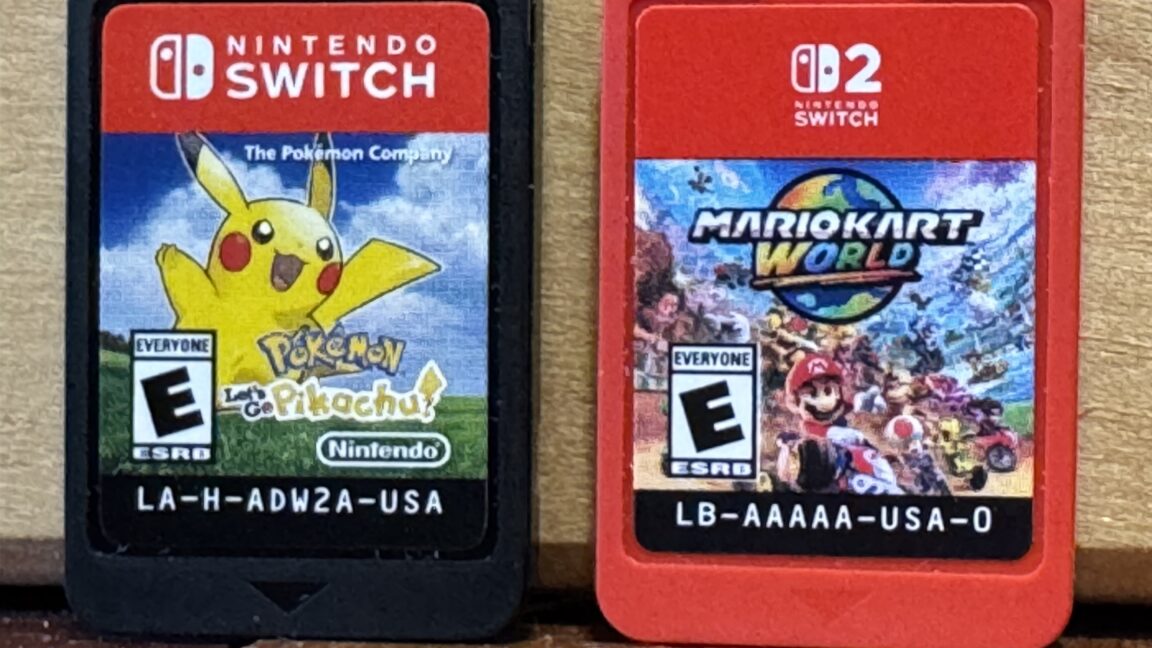
This departure leaves a notable void in the supply chain that supports physical Nintendo Switch cartridges. Historically, reliable access to affordable read-only memory chips has allowed publishers to distribute games on physical cartridges without prohibitive manufacturing overhead. However, as the original equipment manufacturers pivot toward advanced data center hardware, the availability of these specific gaming components is expected to decline.
Market watchers are closely monitoring the situation to determine how it might affect the retail pricing of physical Switch titles. When component shortages drive up production costs, publishers and platform holders are often forced to absorb the expenses or pass them along to consumers. Consequently, physical game collectors and players who prefer cartridges over digital downloads might see an upward trend in game prices or changes in how large titles are packaged and distributed.
While Nintendo explores alternative sourcing options, the broader semiconductor market remains strained by competing demands. The transition underscores a growing trend where traditional consumer electronics must compete directly with enterprise artificial intelligence infrastructure for limited manufacturing capacity.
Sources: Ars Technica
Aggregated summary. Original: Ars Technica