
Motorola's new Signature 27: A premium flagship with a steep price point
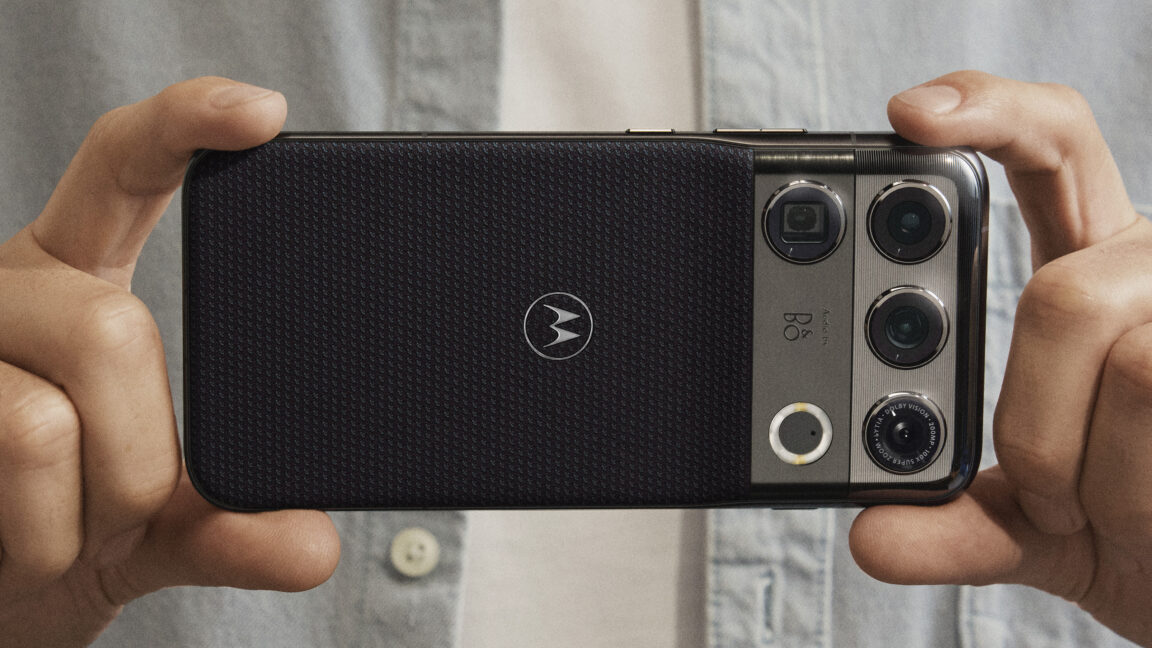
Motorola has officially unveiled its latest flagship smartphone, the Signature 27, positioning the device as a comprehensive powerhouse designed to compete with the most advanced handsets on the market. With a retail price set at $1,600, the device enters the ultra-premium segment, challenging consumers to decide if the extensive list of features justifies the significant financial investment.
The Signature 27 is marketed as a ‘do-it-all’ device, boasting a suite of high-end specifications that cater to power users and photography enthusiasts alike. Motorola has clearly focused on the camera system, integrating advanced sensors and computational photography software that the company claims will rival professional-grade equipment. The hardware is complemented by a high-refresh-rate display and a top-tier processor, ensuring that the user experience remains smooth even under heavy multitasking or intensive gaming sessions.
However, the price tag remains the most discussed aspect of the launch. At $1,600, the Signature 27 sits well above the average flagship pricing, placing it in direct competition with foldable devices and other niche luxury smartphones. While the device offers a refined design and a robust feature set, potential buyers will need to weigh whether these incremental improvements over more affordable alternatives are worth the premium cost. Motorola is banking on the idea that there is a segment of the market willing to pay a premium for a device that leaves no stone unturned in terms of specifications and build quality.
Ultimately, the success of the Signature 27 will depend on how well it performs in real-world scenarios compared to its rivals. While the ‘bells and whistles’ are certainly impressive on paper, the smartphone market is notoriously competitive. Whether Motorola can convince the average consumer to make the jump to such a high price point remains to be seen, but the device is undoubtedly a bold statement of intent from the manufacturer.
Sources: Ars Technica
Aggregated summary. Original: Ars Technica