
Latin American Banana Producers Demand Fairer Pay Amid Climate Crisis Challenges
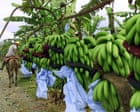
Banana farmers across Latin America are sounding the alarm as the dual pressures of the climate crisis and the current super El Niño event threaten the viability of their industry. These producers are now calling for improved compensation, arguing that current market prices fail to account for the skyrocketing costs associated with maintaining crops under increasingly volatile weather conditions.
The Fairtrade Foundation has highlighted that the agricultural sector is suffering from significant production declines directly linked to extreme weather patterns. In Colombia, which serves as a primary supplier for the UK market, high winds have already disrupted harvests. Furthermore, climate models predict that certain regions in Colombia may face severe droughts later this year, further jeopardizing the stability of the supply chain.
The impact is not limited to Colombia. In Peru and Ecuador, excessive and heavy rainfall has caused substantial damage to banana plantations, hindering the ability of farmers to meet export quotas. Meanwhile, in the Dominican Republic, the outlook remains equally grim. Meteorologists are forecasting warmer and drier conditions than historical averages, setting the stage for prolonged drought that could devastate local yields.
Industry advocates argue that the current economic model for banana trade is unsustainable. As climate change makes farming more difficult and resource-intensive, the financial burden is falling almost exclusively on the producers. Without a structural adjustment in how farmers are paid, there is a growing risk that small-scale operations will be forced out of business, leading to long-term shortages and higher prices for global consumers. The call for better pay is not merely a request for higher profits, but a plea for the resources necessary to implement climate-resilient farming practices and secure the future of the global banana trade.
Sources: The Guardian World
Aggregated summary. Original: The Guardian World