
In Elephants, the Resilience of Communities Has Its Limits
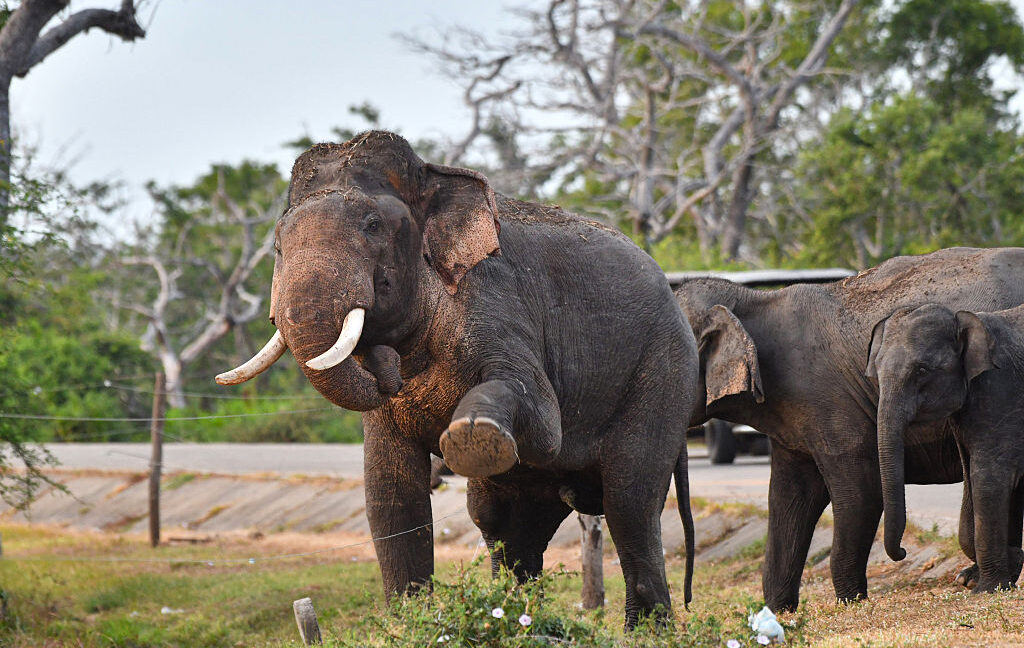
Wildlife conservation often highlights the remarkable adaptability of animals in the face of changing environments. However, recent ecological observations from Sri Lanka suggest that even the most resilient species have strict biological and social boundaries. Ongoing ecological shifts and human pressures are beginning to take a severe toll on the region’s elephant populations.
In various parts of the world, elephant societies are known for their complex matriarchal structures and deep generational knowledge, which traditionally help them navigate seasonal droughts and habitat loss. Yet, in this specific Sri Lankan park, rapid environmental transformations are shrinking the available habitat and resources at a pace that outstrips the animals’ natural coping mechanisms. The resulting population decline underscores a troubling reality: community resilience is not infinite.
Conservationists point out that habitat fragmentation and agricultural encroachment are compounding the natural stresses faced by these herds. When ecological changes happen too quickly, the traditional migration routes and foraging strategies passed down through generations become obsolete or inaccessible. This leaves local herds vulnerable to malnutrition, human-wildlife conflict, and demographic decline.
Addressing this crisis requires more than just observing the limits of wildlife resilience; it demands active intervention to protect remaining corridors and mitigate human impact. Without comprehensive land-use planning and dedicated conservation efforts, iconic populations like those in Sri Lanka risk crossing a threshold from which they cannot recover.
Sources: Ars Technica