
Geopolitical Motives Behind Cyber-Attack on French Supermarket Freezers
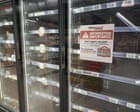
Recent investigations into a cyber-attack targeting supermarket freezers in France have revealed a significant geopolitical context, with security officials pointing toward state-sponsored actors from Iran. The incident, which involved hacking into commercial refrigeration systems to force defrosting cycles, has been described by cybersecurity experts as operationally straightforward yet politically symbolic. Rather than seeking financial gain or traditional corporate espionage, the perpetrators appear focused on delivering a disruptive message to Western infrastructure.
This method aligns with a broader pattern of cyber operations attributed to Iranian-linked hacking groups in recent years. Analysts note that these actors frequently favor highly visible, disruptive tactics designed to draw public attention and demonstrate capability. For instance, state-backed groups previously disrupted streaming services in the United Arab Emirates to broadcast deepfake content regarding the conflict in Gaza. Similarly, hackers affiliated with Iran managed to alter the display screens of water-control systems manufactured by an Israeli firm, leaving anti-Israel slogans visible to operators.
The latest attack on French refrigeration units underscores the growing vulnerability of interconnected commercial infrastructure to geopolitical tensions. As supermarkets and retail supply chains increasingly adopt Internet of Things technologies for remote monitoring and temperature control, they inadvertently create new attack surfaces for foreign actors. Governments and intelligence agencies are now re-evaluating the security posture of everyday commercial assets, recognizing that supply chain vulnerabilities can be weaponized in international disputes.
French authorities are treating the incident with high severity, viewing it as an unacceptable breach of civilian infrastructure. While the physical damage was largely mitigated through manual interventions, the psychological and economic implications of such targeted disruptions remain a concern. Security experts warn that critical infrastructure protection must extend beyond traditional power grids and financial networks to encompass retail logistics and food supply systems, which remain attractive targets for state-backed threat actors seeking asymmetric leverage.
Sources: The Guardian