
FAA Expands AI-Driven Air Traffic Management Across U.S. Airspace
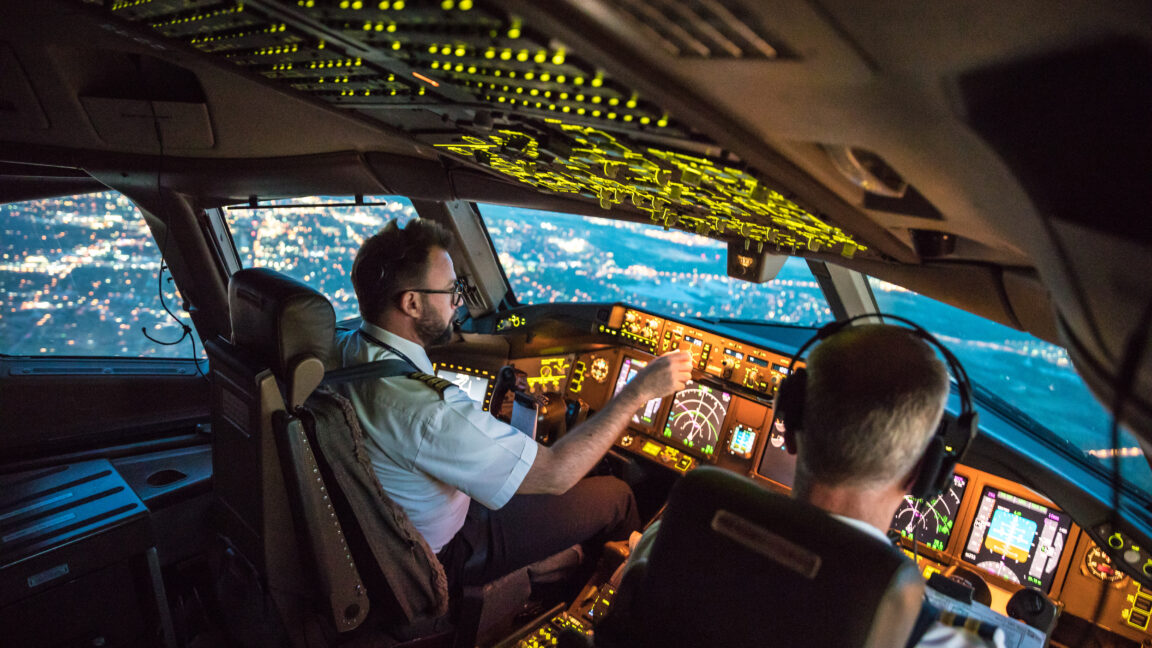
The Federal Aviation Administration (FAA) has announced a significant expansion of its artificial intelligence-powered tools designed to manage air traffic congestion throughout the entire United States airspace. This technological upgrade aims to optimize flight paths, reduce delays, and improve overall efficiency in one of the world’s most complex aviation networks. By leveraging machine learning algorithms, the system can process vast amounts of data in real-time, allowing controllers to make more informed decisions during peak travel periods and adverse weather conditions.
The initiative has received a warm welcome from major airline carriers, who have long advocated for modernized infrastructure to combat the rising costs and logistical headaches associated with flight delays. Industry leaders argue that the AI tool provides a necessary layer of precision that human operators alone cannot achieve, particularly when coordinating thousands of flights simultaneously across multiple time zones. The promise of reduced fuel consumption and shorter taxi times is seen as a major win for both the environment and the bottom line of commercial aviation.
However, the rollout has not been without controversy. The National Air Traffic Controllers Association (NATCA), the union representing the professionals responsible for the safety of the skies, has expressed frustration over being excluded from the development and implementation process. Union representatives have raised concerns about the lack of consultation, arguing that the reliance on automated systems could fundamentally change the nature of their work and potentially introduce new risks if the technology fails or provides inaccurate guidance. While the FAA maintains that the AI is intended to support, not replace, human decision-making, the union is calling for greater transparency and a seat at the table to ensure that safety protocols remain paramount. As the FAA pushes forward with this digital transformation, the balance between technological innovation and the expertise of human controllers remains a critical point of contention.
Sources: Ars Technica