China Expands Middle East Influence Amid US-Iran Tensions
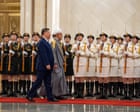
Beijing is aggressively expanding its diplomatic footprint in the Middle East, launching a series of high-level engagements with Gulf leaders to bolster its regional influence. This diplomatic push comes at a critical juncture, as the United States faces ongoing challenges in its relationship with Iran. By positioning itself as a stable partner and mediator, China is seeking to fill the vacuum left by shifting geopolitical priorities in Washington, effectively leveraging the current climate of uncertainty to strengthen its strategic ties with key energy-producing nations.
The timing of these diplomatic maneuvers is particularly significant, occurring just ahead of a highly anticipated meeting between US President Donald Trump and Chinese President Xi Jinping. The two leaders are expected to convene on the sidelines of the APEC conference in Shenzhen, China, scheduled for November 18 and 19. Analysts suggest that Beijing’s recent flurry of meetings in the Gulf serves as a signal to the international community that China is no longer content with a secondary role in Middle Eastern affairs and is prepared to challenge traditional Western dominance in the region.
As the US-China rivalry intensifies, the Middle East has become a central theater for this competition. China’s approach, characterized by economic cooperation and non-interference, has found resonance among Gulf leaders who are looking to diversify their international partnerships. As the APEC summit approaches, the international community will be watching closely to see how these regional dynamics influence the broader conversation between the two global powers, particularly regarding trade, security, and the future of the Middle East. Sources: The Guardian World
Aggregated summary. Original: The Guardian World