
Amazon Expands Ring Ecosystem with AI-Powered Mobile Security Devices
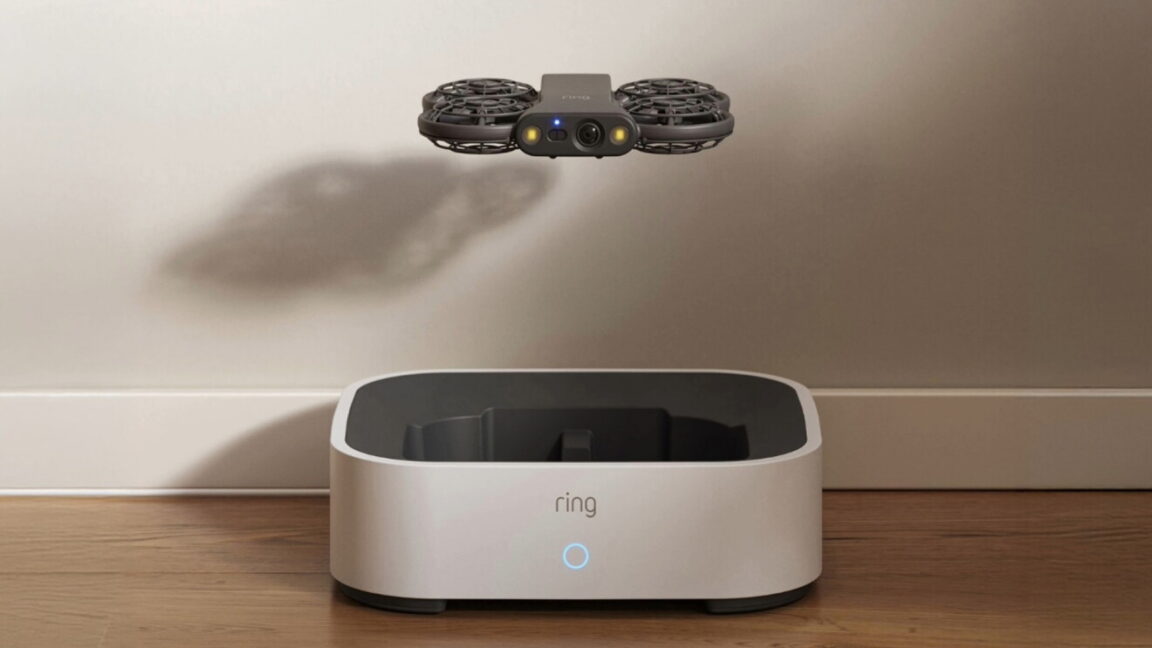
Amazon is set to transform the home security landscape by taking its Ring brand mobile. The company recently unveiled plans to introduce a new generation of AI-powered security drones and robots designed to patrol residential properties. This move marks a significant shift for the brand, which has historically relied on stationary cameras and doorbell sensors to monitor homes.
The new roaming devices are engineered to provide comprehensive coverage that traditional fixed cameras cannot achieve. By utilizing advanced artificial intelligence, these robots and drones can navigate complex environments, detect unusual activity, and provide real-time alerts to homeowners. The technology aims to offer a more proactive approach to security, moving beyond simple motion detection to active monitoring and investigation of potential threats.
According to the official announcement, these Ring Robotics devices are scheduled to make their market debut in late 2026 and early 2027. The extended timeline suggests that Amazon is prioritizing the refinement of the AI navigation and privacy features before a full-scale consumer launch. The integration of these mobile units into the existing Ring ecosystem will allow users to manage their home security through a unified interface, potentially creating a seamless experience between stationary and mobile monitoring.
However, the introduction of mobile, AI-driven security devices has also sparked discussions regarding privacy and data security. As these devices move through private spaces, questions about how they collect, store, and process visual data remain at the forefront of consumer concerns. Amazon has stated that it is committed to implementing robust privacy safeguards, but the deployment of such technology will undoubtedly face scrutiny from privacy advocates and regulators alike as the release date approaches. Sources: Ars Technica