Agility Robotics Faces Market Scrutiny Following Nasdaq Debut
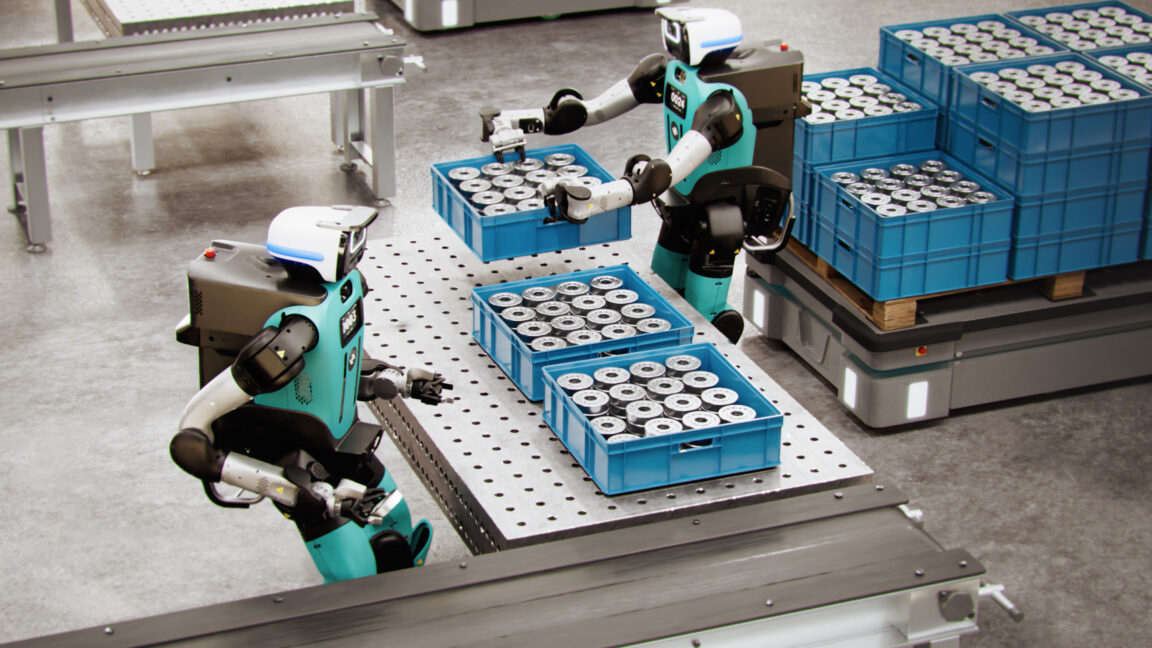
Agility Robotics, a prominent player in the burgeoning field of humanoid robotics, has officially entered the public market with its debut on the Nasdaq stock exchange. This milestone marks a significant step for the company, which has been at the forefront of deploying bipedal robots into real-world industrial environments. However, the move to go public has also invited intense scrutiny from investors and industry analysts alike, who are questioning the long-term viability and scalability of the humanoid robot market.
As the company transitions to a publicly traded entity, it faces the challenge of proving that its technology can move beyond pilot programs and into widespread commercial adoption. The humanoid robotics sector has seen a surge in interest, with various tech giants and startups vying for dominance. Agility Robotics, known for its ‘Digit’ robot, has positioned itself as a leader in logistics and warehouse automation. Yet, the high costs associated with research, development, and manufacturing remain a significant hurdle for the company’s profitability.
Market observers are closely watching how Agility Robotics will navigate the pressures of quarterly earnings reports and shareholder expectations. The skepticism surrounding the sector is largely driven by the historical difficulty of creating robots that can safely and efficiently operate alongside humans in complex, unstructured environments. While the company has demonstrated impressive technical capabilities, the transition from a venture-backed startup to a public company requires a shift in strategy toward sustainable growth and clear revenue streams. As Agility Robotics begins its journey on the Nasdaq, the broader robotics industry will be watching to see if the company can deliver on its ambitious promises and justify the high valuation placed upon it by the market.
Sources: Ars Technica
Aggregated summary. Original: Ars Technica