
A Sam Altman Parody Offers an Amusing Lesson in Memory Management
In a clever intersection of tech culture and satire, a recent parody featuring OpenAI CEO Sam Altman has provided more than just a laugh; it has served as a surprisingly effective educational tool for understanding the complexities of memory management. The parody, which has gained traction online, uses the public persona of the tech leader to illustrate the technical bottlenecks often associated with high-level artificial intelligence development.
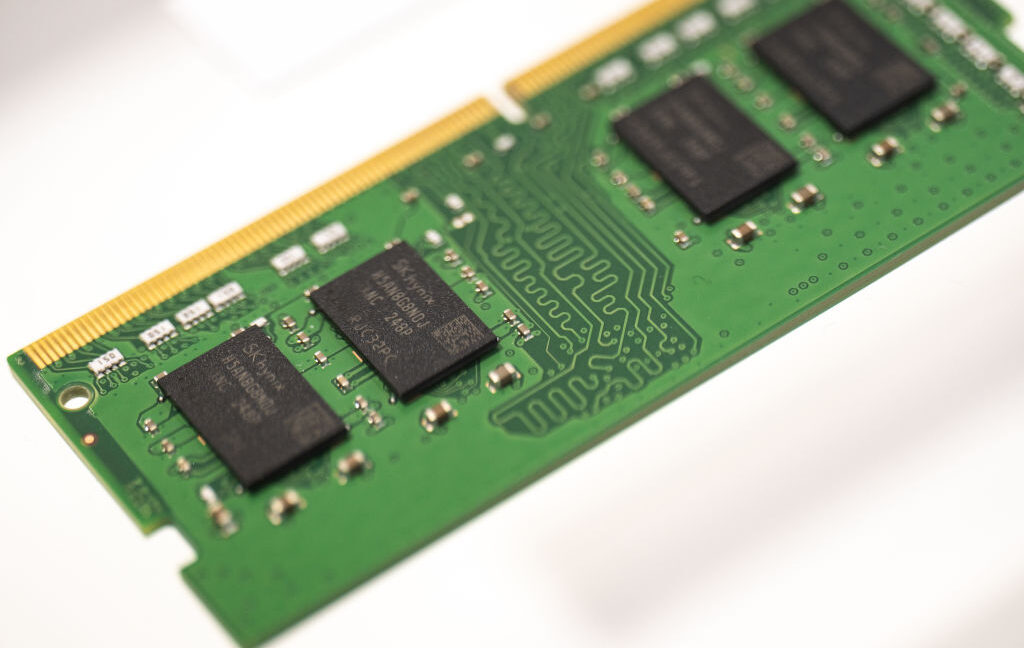
At the heart of the satire is the concept of RAM—Random Access Memory—and its critical role in processing large-scale language models. While the parody takes creative liberties with the narrative, the underlying technical claims regarding memory allocation and data throughput are grounded in reality. Observers noted that the specific figures cited in the parody regarding memory usage are accurate, reflecting the actual hardware constraints that engineers face when training and deploying advanced AI systems.
What makes this parody particularly compelling is its ability to demystify complex computing concepts. By framing the discussion around a recognizable figure, the creators have managed to translate dry, technical specifications into a relatable format. The lesson here is clear: even as AI models become increasingly sophisticated, they remain bound by the fundamental laws of computer architecture. Memory management is not just a background task; it is a primary determinant of performance and efficiency.
Furthermore, the success of this parody highlights a growing trend in the tech community: the use of humor to bridge the gap between niche technical expertise and public understanding. By verifying the RAM numbers without needing to contact OpenAI directly, the creators demonstrated that the information is accessible to those willing to look at the underlying architecture of modern AI. Ultimately, the parody serves as a reminder that while the future of AI is being built by visionaries, it is still powered by the tangible, physical limitations of silicon and memory. It is a lighthearted yet insightful look at the ‘plumbing’ that keeps the AI revolution running.
Sources: Ars Technica